Want the latest from TruView in your inbox?
SUBSCRIBE


Truman National Security Project members, writing in their personal capacity.

Why Washington needs SANS research to Win the New Space Race
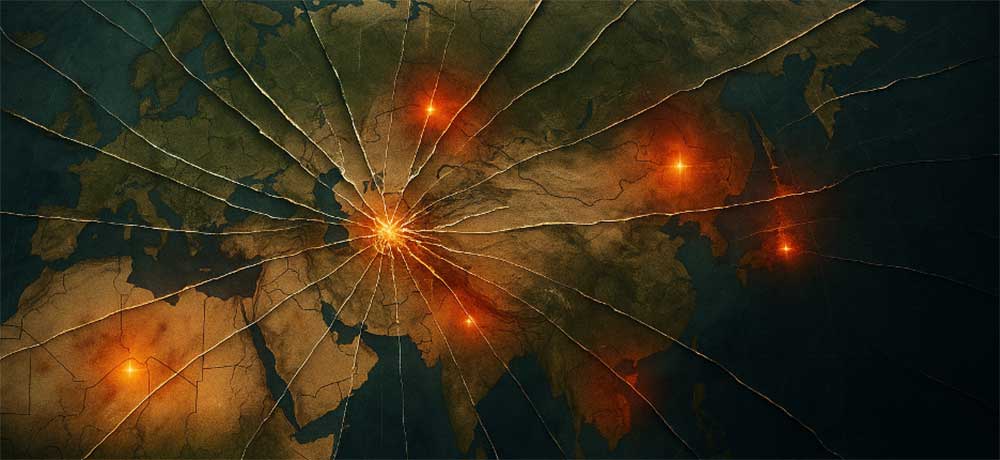
Why Restraint Theorists Misread the Past, and Misjudge the Dangers Ahead
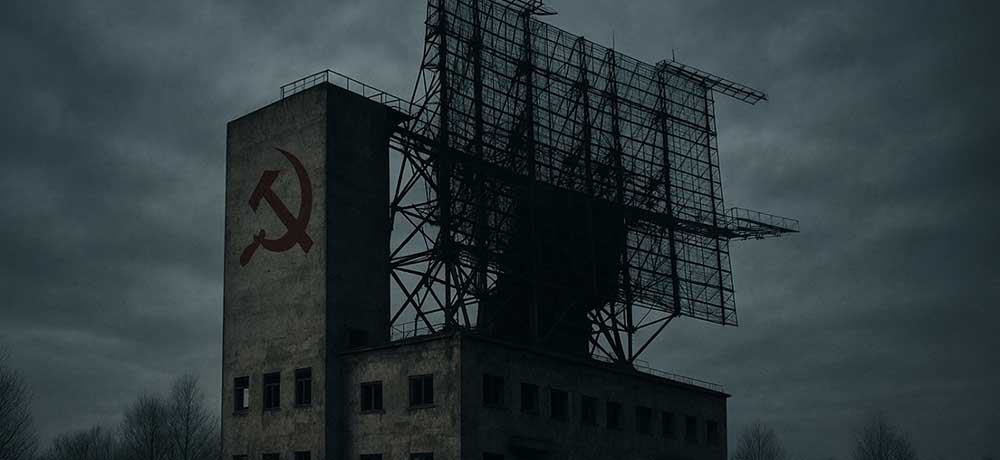
In the summer of 1993, scarcely two years after the Soviet Union’s collapse, a quiet confrontation unfolded on a remote patch of Latvian farmland. Just outside the small town of Skrunda stood one of the most important early-warning radar complexes in the former USSR, a massive Daryal installation capable of tracking missile launches across Europe. Though Latvia had regained its independence, Moscow insisted that Skrunda remained essential to Russian security and refused to vacate the site.
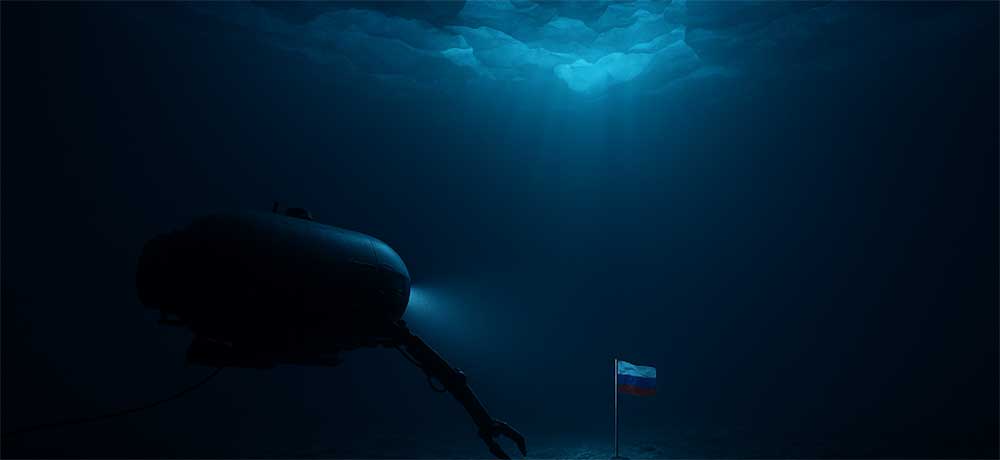
The submersible Mir-1 descended through the Arctic twilight on August 2, 2007, its floodlights cutting narrow corridors through water dense with drifting ice. Nearly three miles below the surface, the vehicle settled onto the seabed at the geographic North Pole, a place no human craft had ever reached. Then, in a gesture crafted for maximum geopolitical theater, the Russian expedition planted a titanium tricolor flag into the silty floor of the Arctic Ocean.
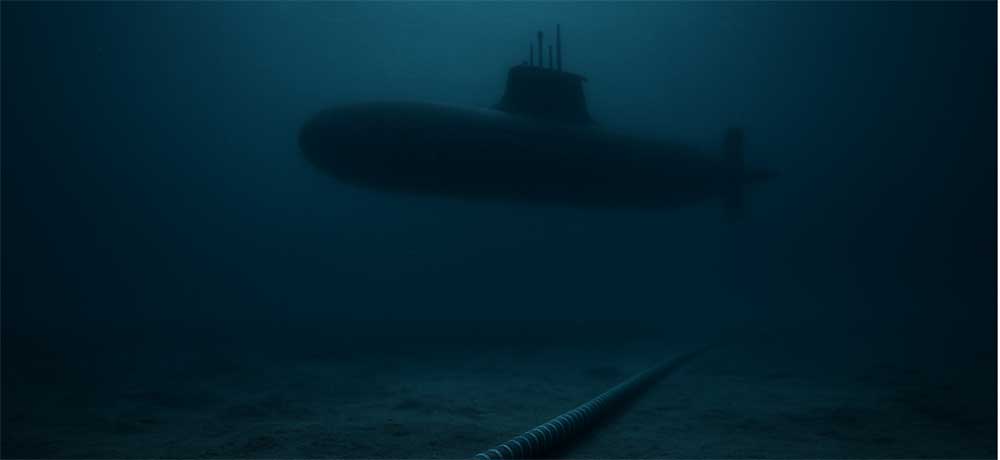
Few domains are as overlooked yet as indispensable to modern power projection as the ocean floor. Nearly all of the world’s internet traffic, more than 95 percent, transits through roughly 570 subsea fiber-optic cables. These systems underpin not only the global economy but also the operational command and control of modern militaries. Despite their centrality, they remain vulnerable, exposed, and increasingly subject to foreign interference.

Learn more about how to partner with and support Truman National Security Project. info@trumanproject.org


